
5 November 2026 / Akademie der Künste, Berlin
From the Hydrogen Core Network to CO₂ Infrastructure: Success Models for the Transformation
On 5 November we welcomed around 110 guests to its Energy Policy Dialogue at the Akademie der Künste for the fourth year running.
The discussion in a nutshell:
What can we learn from the H₂ core network for the CO₂ ramp-up?
The transformation of industry requires ambitious goals. To make it a success, we need both the appropriate infrastructure and a market that actually uses it.
Against this backdrop, we focused on a key question: What lessons can be learned from the development of the H₂ core network and applied to a future CO₂ infrastructure?
The discussion showed that important groundwork has already been undertaken for the hydrogen ramp-up. The first sections of the core network are already in operation. Hydrogen is flowing from Lingen to Marl via GET H2, with around 6 GW of transport capacity reserved. The challenge now is to ramp up production, imports and industrial demand in step with the development of the infrastructure.
We should draw on these lessons from the outset for the development of a CO₂ infrastructure. The key takeaway is that infrastructure, the market and investment certainty must evolve in parallel.
The cement and lime industries in particular, as well as parts of the chemical industry, need solutions for CO₂ emissions that are difficult to avoid. Alongside suitable transport infrastructure, this requires viable business models, appropriate risk mitigation and reliable demand for decarbonised products. Together, these are essential prerequisites for companies to make the necessary investment decisions.
The conclusion of this year's Energy Policy Dialogue in Berlin was clear: a successful transformation requires close collaboration between infrastructure providers, industry, policymakers and the financial sector. The experience gained from the hydrogen ramp-up offers valuable insights in this regard. By working together, stakeholders can use these lessons to accelerate and streamline the development of CO₂ infrastructure while providing greater investment certainty.
Inspired by the discussion, participants continued to explore these ideas in one-to-one conversations in a relaxed atmosphere, with views of the Brandenburg Gate.
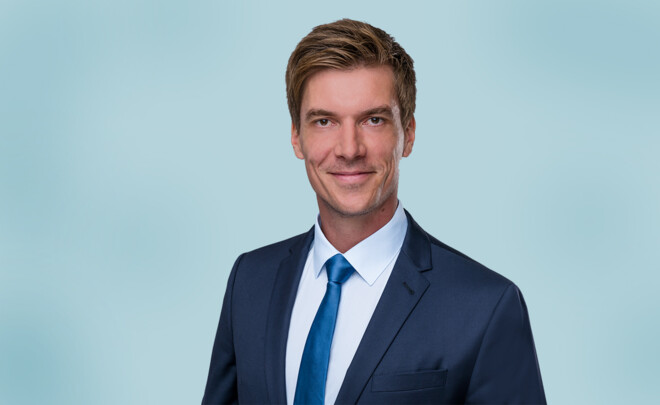
The panel featured:
- Bernhard KluttigHead of the ‘Safety, Gas and Hydrogen, and Shareholdings’ Department at the Federal Ministry for Economic Affairs and Energy
- Miguel Ángel López BorregoCEO of thyssenkrupp AG
- Manuel MohrManaging Director of the VDZ
- Dr. Thomas HüwenerCEO of OGE
For more information, please see our press release.